Connect with us

Published

on

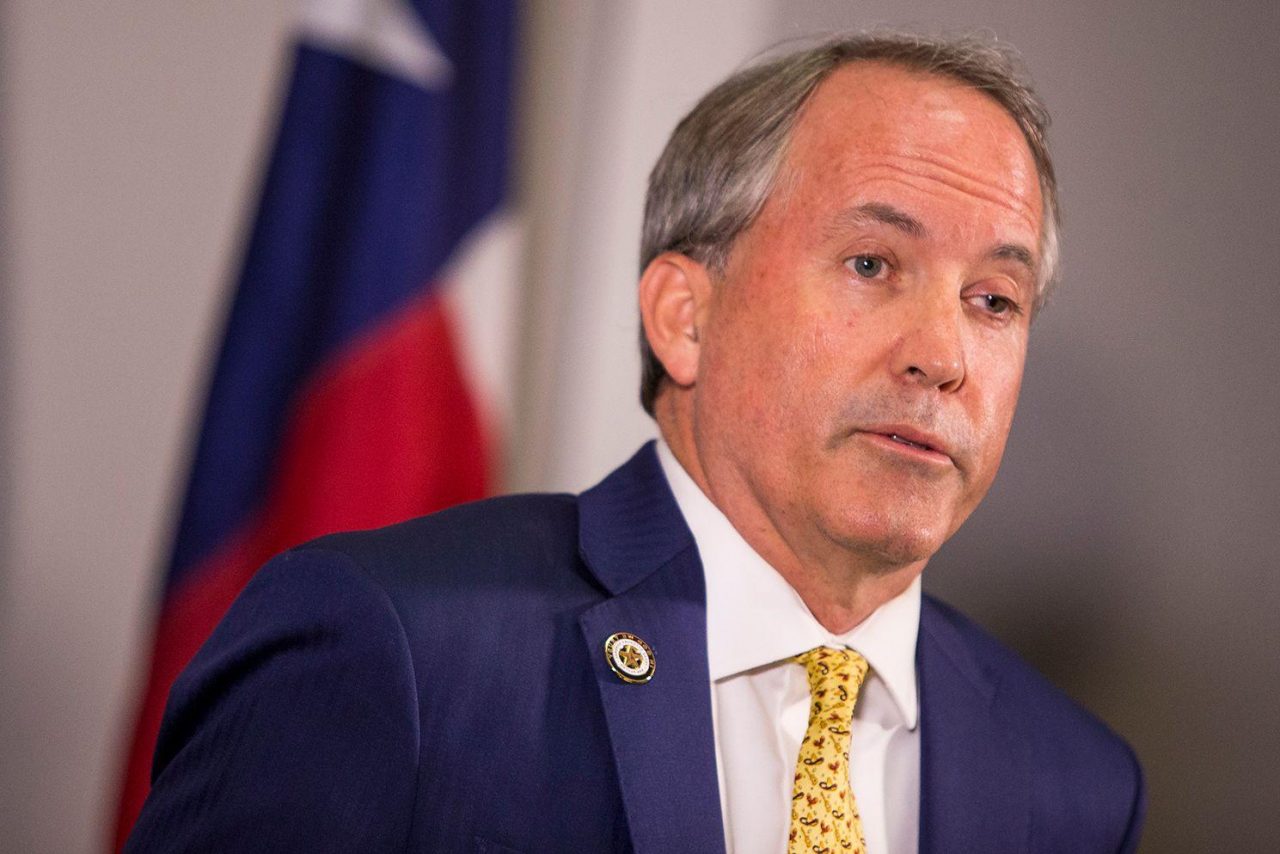
The impeachment trial of Attorney General Ken Paxton starts on Tuesday, September 5, 2024.

The controversy surrounding Ken Paxton has been the dominant topic for several months. Political watchers in Fate are well-informed about the allegations and legal challenges that have accompanied Paxton’s tenure in office. These include accusations of securities fraud and his legal disputes with the federal government on issues such as immigration and healthcare. Not to mention a tumultuous extra-marital affair. Paxton’s time in office has been characterized by turbulence.

Sarah J., a Fate resident and mother of two, voiced her apprehensions, stating, “While Ken Paxton’s tenure as Texas Attorney General has been marked by controversy, it’s essential to remember that he has consistently defended conservative values and upheld the principles that many Texans hold dear. As a staunch advocate for limited government, individual freedoms, and the sanctity of life, Paxton has shown unwavering dedication to his conservative base.”

Local Impact

The possible impeachment of Attorney General Paxton could have significant consequences for the residents of Fate and the broader state of Texas. Here is how it may affect the local community:

1. Open Records Requests: Attorney General Ken Paxton has been a notable figure in supporting the Fate Tribune in disputes related to Open Records Requests. His stance has emphasized transparency and access to government information. His potential impeachment could lead to changes in how these decisions are made, potentially affecting the newspaper’s ability to access critical information for the community.

2. Healthcare Access: Healthcare has been a contentious issue in Texas, and Paxton has been a prominent figure in opposing certain federal healthcare policies. Fate’s residents are concerned that his absence could lead to shifts in the state’s healthcare policies, potentially affecting the affordability and availability of healthcare services for Fate’s citizens. This could directly impact their access to essential medical care, making it a pressing concern for the local community.

3. Immigration and Border Security: Texas, with its lengthy border with Mexico, has been at the forefront of immigration debates. Paxton has taken a firm stance on border security, which is particularly significant for Fate’s residents as the Dallas/Fort Worth area ranks among the top 20 metropolitan regions in the nation with undocumented immigrants. Any change in leadership could potentially alter the state’s immigration policies, impacting the Fate community’s perspectives and daily life, as they are located in close proximity to an area with a significant undocumented immigrant population.

4. Business and Economy: Paxton’s policies have often been pro-business and favored deregulation. Fate, like many Texas towns, has strong ties to its local businesses. Residents fear that a change in leadership could bring about shifts in economic policies that might affect local businesses and employment opportunities.

5. Ethical Standards and Public Trust: Perhaps the most significant concern for Fate residents is the potential impact on ethical standards and public trust. The ongoing controversy surrounding Attorney General Paxton’s legal and ethical challenges has raised questions about the conduct of public officials. This situation has prompted discussions among Fate’s citizens about the importance of integrity, accountability, and transparency in government. It’s not just a matter of political disagreement but one that has led the community to reflect on how their elected officials should exemplify these values, ensuring that their children grow up in an environment where ethical conduct in public office is upheld and expected.

Local Voices

To gain insight into the opinions and concerns of Fate’s residents, we spoke to a local resident, Michael T. He shared, “Our town thrives on its strong sense of community and shared values. The ongoing situation with Attorney General Paxton has prompted many discussions among our citizens about the importance of ethics, transparency, and accountability in government.”

He continued, “We may be a small town, but we understand that the decisions made in Austin have a significant impact on our daily lives. While we may have varying opinions on the situation, the key takeaway is that our community values a government that serves its people with integrity.”

The Future Uncertain

As the days unfold and the proceedings progress, the residents of Fate, and the Fate Tribune will keep a close eye on their Attorney General’s fate, understanding that the implications reach far beyond Austin’s corridors and into the heart of our beloved community.


Michael Pipkins focuses on public integrity, governance, constitutional issues, and political developments affecting Texans. His investigative reporting covers public-record disputes, city-government controversies, campaign finance matters, and the use of public authority. Pipkins is a member of the Society of Professional Journalists (SPJ). As an SPJ member, Pipkins adheres to established principles of ethical reporting, including accuracy, fairness, source protection, and independent journalism.

Council

Ethics Fight Ends in Censure of Councilman Mark Hatley

Published

on

Ethics Censure Hatley

FATE, TX — The Fate City Council voted last night to censure Councilman Mark Hatley following a contentious ethics hearing that exposed deep divisions among elected officials.

The censure stems from two ethics complaints alleging Hatley improperly disclosed confidential information tied to internal discussions about the potential firing of former Department of Public Safety Chief Lyle Lombard. According to testimony, Hatley shared details with local journalist Michael Pipkins of PipkinsReports.com, including references to recorded conversations with City Manager Michael Kovacs.

The complaint was filed by outgoing councilman Scott Kelley, who played a central role throughout the proceedings and ultimately did not recuse himself and voted in favor of censure.

Monday’s meeting included a formal evidentiary hearing where Hatley, represented by attorney David Dodd, presented a defense and attempted to question fellow council members. The process, however, was repeatedly constrained by legal warnings from City Attorney Jennifer Richie, who advised council members not to answer questions related to Lombard’s termination due to ongoing litigation. That guidance, issued numerous times during the hearing, limited testimony and narrowed the scope of cross-examination.

The council ultimately split along familiar lines. Kelley was joined by outgoing councilman Mark Harper and recalled councilwoman Codi Chinn in supporting the censure. Mayor Andrew Greenberg and Councilman Rick Maneval opposed it, creating a 3–2 divide before the deciding vote was cast. Councilwoman Martha Huffman ultimately sided with the majority, breaking what would have otherwise been a tie, and would have quashed the censure.

Under Texas municipal norms, a censure is a formal statement of disapproval by a governing body against one of its own members. It carries no direct legal penalty, meaning Hatley retains his elected position and voting authority. However, such a reprimand can damage political standing, limit influence within the council, and shape future electoral prospects…if the electorate so decides.

The underlying controversy traces back to the dismissal of Lombard, which has since evolved into a broader legal dispute involving claims of wrongful termination. During Monday’s hearing, repeated references to that litigation underscored the complexity of the case and the limits placed on public disclosure. Richie’s guidance, aimed at protecting the city’s legal position, effectively curtailed testimony that might have clarified key details. Critics argue this dynamic left Hatley unable to fully defend himself against the allegations.

The political context surrounding the vote is difficult to ignore. This was Chinn’s last meeting, as she was recalled from office by the voters, in part due to her involvement in the Lombard matter. Kelley, who initiated the ethics complaint, participated fully in the decision-making process knowing that this was his last meeting. Harper has also been linked in prior discussions about leadership conflicts within city administration, and for he as well, this was his last meeting. Meanwhile, all three have supported recall efforts targeting Hatley, Greenberg, Maneval, and Huffman, for additional recall, along with two new councilmen who will take their seats at the next meeting.

From a procedural standpoint, the meeting reflected a council operating under significant strain. Testimony was fragmented, legal cautions were frequent, and the final vote appeared to follow established political alliances rather than shifting based on evidence presented during the hearing. Even Hatley’s legal representation struggled to gain traction within the constraints imposed by the city’s legal posture.

Opinion

The battle for power in Fate is very real. What unfolded Monday night was not merely an ethics hearing; it was the visible culmination of an ongoing political battle inside Fate’s leadership. When a complainant votes on his own accusation; when key witnesses are effectively shielded from cross examination; when you have councilmen under recall by the very people bringing charges against their opponents; the process begins to look less like a search for truth and more like a managed outcome. It’s cut-throat politics at its worst.

What’s changed due to this Hearing? Essentially, nothing. Hatley gets a political black eye, but that’s about it. The sides were already defined, and the votes exactly as expected. Councilmen whose terms were ending anyway are now gone after delivering one last poke in the eye to their opponents. And the City Manager, who is at the heart of this debacle because of his employee decisions, and his inability to stand up to influence from Council Members… is still employed.

For residents of Fate, the final result is an up-close view into how dirty local politics can get. It diminishes the desirability of the city to new residents, hurts economic growth, and the entire process gives citizens the perspective that their city government is completely dysfunctional.

Disclosure

The author of this article was referenced during the hearing as a recipient of information discussed in the ethics complaints. The reporting above is based on observations of the public meeting and review of the proceedings.

Continue Reading

Election

Fate Voters Go Familiar: Robbins Edges McCarthy in Tight Place 3 Race

Published

on

Robbins wins race against McCarthy

FATE, TX — Allen Robbins defeated newcomer Melinda McCarthy for Place 3 on the Fate City Council in the May 2, 2026 election, signaling that a slim majority of voters preferred experience over change.

The seat, previously held by Scott Kelley, was open after Kelley declined to seek reelection, setting up a direct contest between Robbins’ prior service and McCarthy’s outsider campaign.

Unofficial results show Robbins winning with 52.22% of the vote, 883 votes, to McCarthy’s 47.78%, 808 votes, out of 1,691 ballots cast. The margin reflects a divided electorate, with nearly half backing a first-time candidate.

Robbins campaigned on experience, but his record on the council became a central issue. Public records show he supported a roughly 5.96 percent property tax rate increase, higher solid waste fees, and a $3 monthly road fee applied broadly to residents.

He also backed zoning changes and approved a 179-unit townhome development, decisions that critics argue contributed to rapid growth and increased density. Some residents have tied those policies to worsening traffic and a perceived decline in quality of life in Fate.

McCarthy’s campaign focused on transparency, responsiveness, and reevaluating growth decisions. Her message resonated with a significant share of voters but fell short against Robbins’ name recognition and governing background.

The results remain subject to canvassing, but Robbins is expected to return to the council as debates over growth, taxation, and infrastructure continue.

Analysis and Commentary

This race underscores a familiar tension in local politics. Voters often voice frustration with growth and rising costs, yet still choose candidates they believe understand the system.

Robbins’ win suggests that, for now, experience outweighs dissatisfaction. But the narrow margin tells a different story beneath the surface.

Nearly half the electorate signaled a desire for change, and those concerns are unlikely to fade. If anything, they will follow Robbins back into office, where the consequences of past decisions, and future ones, will be closely watched.

Continue Reading

Election

Knockout! Rains Beats Grove for Fate City Council – Place 2

Published

on

Rains Beats Grove. Knockout!

FATE, TX — In a decisive and unexpected outcome, Ashley Rains defeated Lorna Grove for Fate City Council Place 2, delivering a clear upset against a candidate backed by a unified slate of local Republican leadership.

Unofficial results from May 2 show Rains winning with 56.38% of the vote (945 votes) to Grove’s 43.62% (731 votes). The margin, more than 200 votes, signals a strong voter preference that defied expectations heading into election night.

The seat opened after Councilman Mark Harper declined to seek reelection, setting up a race that quickly became a referendum on the direction of city leadership.

Establishment Support Falls Short

Grove entered the race with significant political backing, including endorsements from State Senator Bob Hall, Jace Yarbrough, John Stacy, Dennis London, and Darcy Gildon. Fate Mayor Andrew Greenberg and every Republican precinct chair in Rockwall County also supported her candidacy, forming a rare, consolidated front in a local race.

Despite that support, voters broke the other direction.

Rains positioned herself as a grassroots alternative, emphasizing accountability and independence from what some voters viewed as coordinated political influence. The result suggests that message resonated more strongly than institutional endorsements.

Recall Effort Played a Key Role

A secondary, but important, factor in the race was Rains’ leadership role in the ongoing recall effort targeting three council members and the mayor. The effort will likely be placed on the November election ballot, giving Rains elevated visibility and an engaged base of supporters.

While she did not run solely on the recall, her involvement helped frame her candidacy as part of a broader push for change at City Hall. That connection likely contributed to turnout among voters already invested in the issue.

What It Means Going Forward

Rains’ victory may serve as an early indicator of voter sentiment ahead of the November recall election, though the two contests are not perfectly aligned.

With 1,676 total votes cast, turnout was solid for a municipal race, and the nearly 13-point margin suggests a clear mandate—at least in this contest.

The results remain unofficial pending canvassing, but the outcome is unlikely to change.

For now, the takeaway is straightforward: Fate voters rejected a unified political slate and elevated a candidate tied to grassroots activism, signaling a shift in the city’s political landscape with more tests to come this fall.

Continue Reading